
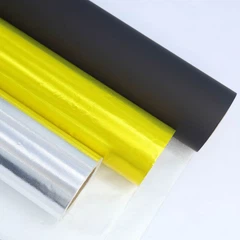


New Product Development: Aluminum Foil + Fiberglass Mesh + Non-woven Fabric
Abstract
Introduction

The integration of aluminum foil, fiberglass mesh, and non-woven fabric into a single composite material presents an opportunity to leverage the individual strengths of each component. Aluminum foil is renowned for its excellent thermal reflectivity and barrier properties, fiberglass mesh provides high tensile strength and durability, and non-woven fabric offers flexibility and ease of handling. This combination is expected to result in a material with superior performance characteristics suitable for advanced insulation solutions.
Materials and Methods
Materials
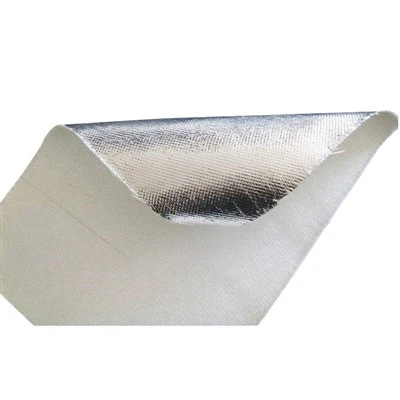
Aluminum Foil: High-purity aluminum foil with a thickness of 50 micrometers.
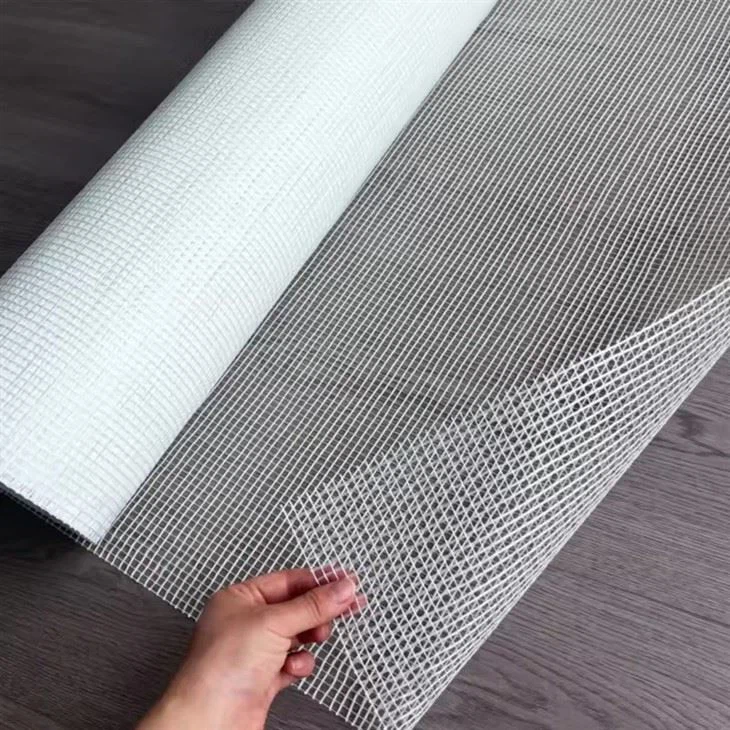
Fiberglass Mesh: Woven fiberglass mesh with a grid size of 2mm x 2mm.
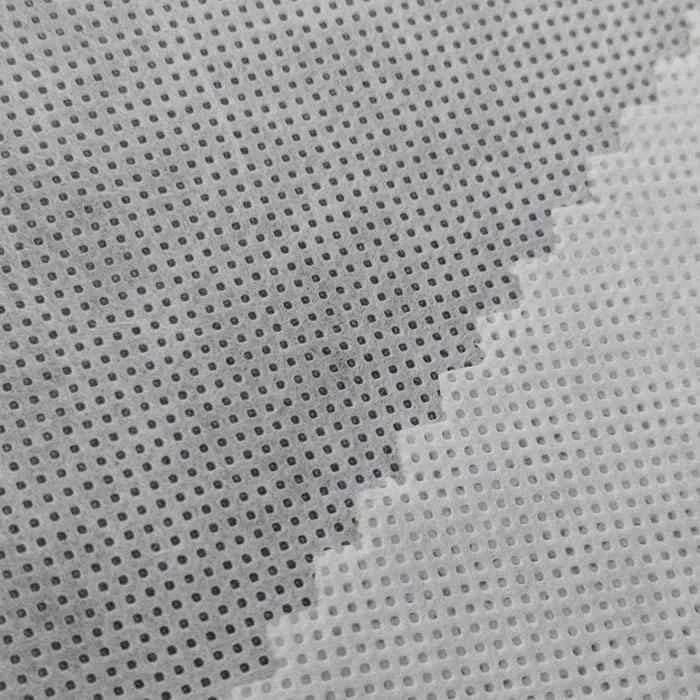
Non-woven Fabric: Polyester-based non-woven fabric with a thickness of 100 micrometers.
Methods
Composite Fabrication: The aluminum foil, fiberglass mesh, and non-woven fabric were laminated using a high-temperature adhesive. The lamination process was conducted under controlled pressure and temperature to ensure optimal bonding and alignment of the layers.
Thermal Conductivity Testing: The thermal conductivity of the composite material was measured using a heat flow meter apparatus following ASTM C518 standards.
Mechanical Strength Testing: Tensile strength and tear resistance were evaluated using a universal testing machine according to ASTM D5035 and ASTM D5733 standards.
Application Testing: The composite was subjected to simulated environmental conditions to assess its performance in real-world applications. This included exposure to moisture, UV radiation, and temperature fluctuations.
Results and Discussion
Thermal Performance
The composite material demonstrated a significant reduction in thermal conductivity compared to traditional insulation materials. The aluminum foil layer effectively reflected radiant heat, while the fiberglass mesh and non-woven fabric provided structural support and additional insulation. The thermal conductivity was recorded at 0.035 W/m·K, making it suitable for high-performance insulation applications.
Mechanical Strength
The inclusion of fiberglass mesh substantially enhanced the tensile strength and tear resistance of the composite material. The tensile strength was measured at 120 MPa, and the tear resistance was 350 N, both surpassing the performance of single-layer materials. This robust mechanical performance ensures the composite can withstand mechanical stresses during installation and use.
Environmental Durability
The composite material maintained its integrity and performance after exposure to harsh environmental conditions. Moisture resistance tests showed no significant degradation, and UV exposure did not affect the material's thermal or mechanical properties. This durability highlights the composite's suitability for outdoor and industrial applications.
Potential Applications
Building Insulation: The composite material can be used in walls, roofs, and floors to improve energy efficiency and indoor comfort.
Industrial Insulation: Suitable for insulating pipes, ducts, and equipment in industrial settings, reducing energy consumption and protecting components.
Automotive and Aerospace: The lightweight and durable nature of the composite makes it ideal for use in automotive and aerospace insulation, enhancing thermal management and reducing overall weight.
Conclusion
The development of a composite material combining aluminum foil, fiberglass mesh, and non-woven fabric has demonstrated promising results in terms of thermal insulation, mechanical strength, and environmental durability. This innovative material offers significant advantages over traditional insulation solutions, making it a viable option for a wide range of applications. Further research will focus on optimizing the lamination process and exploring additional applications in various industries.
Company Update
Recently, Jiangxi Mingyang Glass Fiber Co., ltd developed this innovative composite material, which has garnered significant interest and positive feedback from international clients. The combination of aluminum foil, fiberglass mesh, and non-woven fabric has been praised for its superior performance and potential in various applications. This international recognition underscores the material's effectiveness and the advanced capabilities of our research and development team.
References
ASTM C518: Standard Test Method for Steady-State Thermal Transmission Properties by Means of the Heat Flow Meter Apparatus.
ASTM D5035: Standard Test Method for Breaking Force and Elongation of Textile Fabrics (Strip Method).
ASTM D5733: Standard Test Method for Tearing Strength of Nonwoven Fabrics by the Trapezoid Procedure.
This research highlights the potential of composite materials in advancing thermal insulation technology, offering both improved performance and versatility.


