
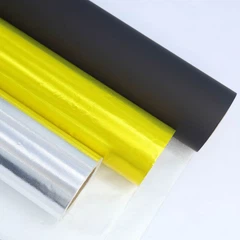


Description :
In a world where safety is paramount, the significance of fireproof fabrics cannot be overstated. Fires pose an ever-present threat, whether in industrial settings, construction sites, or everyday environments. It is our mission to provide you with the highest quality fireproof fabrics that instill confidence and peace of mind.
At MingYang, we understand that the terms "fireproof fabric," "fireproof cloth," and "nonflammable fabric" are more than just words; they represent the protection of lives and valuable assets. Our commitment to excellence has resulted in a selection of fire-resistant fabrics that are second to none. From fireproof clothing materials to insulating materials with exceptional heat resistance, our products are engineered to withstand temperatures that could mean the difference between safety and disaster in the event of a fire.
Our fireproof fabrics are meticulously crafted using state-of-the-art technology and flame retardant chemicals. These fabrics are designed to meet and exceed industry standards, making them suitable for a wide range of applications. Whether you're in need of fire-resistant clothing materials, insulating materials for energy efficiency, or flame-resistant fabrics for specific industrial uses, we have you covered.
At MingYang, we recognize that fire protection is not just about meeting regulations; it's about ensuring the safety of people and property. Our fireproof fabrics provide a critical line of defense against the devastating consequences of fires. When you choose our products, you're not only investing in quality, but you're also investing in peace of mind.
Explore our comprehensive range of fireproof fabrics, and discover why countless industries and professionals trust for their fire-resistant needs. We invite you to navigate through our website to learn more about our flame-resistant materials, insulation solutions, and fireproof clothing options.
Join us in prioritizing safety, protecting lives, and making the world a safer place with our exceptional fireproof fabric solutions. MingYANG is your partner in fire safety, and we look forward to serving your needs.

Double-sided coated silicone fiberglass cloth is a versatile material that offers a wide range of benefits in the textile industry. This innovative fabric is made by coating both sides of a fiberglass cloth with silicone, which enhances its durability, heat resistance, and flexibility.
One key advantage of double-sided coated silicone fiberglass cloth is its high temperature resistance. This material can withstand extreme temperatures, making it ideal for applications where heat resistance is essential. Additionally, the silicone coating provides a smooth surface that is resistant to wear and tear, prolonging the lifespan of textile products.
Another benefit of using double-sided coated silicone fiberglass cloth is its excellent electrical insulation properties. This makes it suitable for use in electronic textiles and other applications where insulation is critical. The silicone coating also helps to protect against moisture and chemicals, ensuring that the fabric remains in top condition.
In addition, the flexibility of double-sided coated silicone fiberglass cloth makes it easy to work with and suitable for a wide range of textile products. Whether it's used for insulation, reinforcement, or as a protective layer, this material offers versatility and reliability.
Overall, double-sided coated silicone fiberglass cloth is a valuable material in the textile industry, offering a combination of durability, heat resistance, and flexibility. Its unique properties make it a popular choice for various applications, from industrial to consumer goods.

Exploring the Differences Between Silicone Coated Glass Fiber Cloth and Ordinary Glass Fiber Cloth
In various industrial and commercial applications, glass fiber cloth is a popular choice due to its excellent heat resistance and mechanical strength. However, different variations of glass fiber cloth exist, with silicone coated glass fiber cloth standing out for its unique properties. This article aims to delve into the distinctions between silicone coated glass fiber cloth and ordinary glass fiber cloth, exploring their composition, characteristics, and applications. By understanding these differences, readers can gain insights into the advantages and specific uses of silicone coated glass fiber cloth.
Section 1: Composition and Manufacturing Process (Approximately 150 words)
Silicone coated glass fiber cloth and ordinary glass fiber cloth differ primarily in their surface treatment and manufacturing processes. Ordinary glass fiber cloth is made from woven glass fibers, typically composed of silica-based materials, such as sand, limestone, and soda ash. It undergoes a weaving process to create a flexible and durable fabric. On the other hand, silicone coated glass fiber cloth is an ordinary glass fiber cloth that has been treated with a layer of silicone coating. The silicone coating is applied to the fabric through various techniques, such as dipping, spraying, or calendaring, to provide additional properties and benefits.
Section 2: Heat Resistance and Thermal Properties (Approximately 200 words)
One of the key distinctions between silicone coated glass fiber cloth and ordinary glass fiber cloth lies in their heat resistance and thermal properties. Both types of cloth offer excellent heat resistance, capable of withstanding high temperatures. However, the silicone coating on glass fiber cloth enhances its thermal stability and resistance to heat transfer. The silicone coating acts as a barrier, reducing heat absorption and improving the cloth's overall performance under extreme temperature conditions. Silicone coated glass fiber cloth can often withstand higher temperatures compared to ordinary glass fiber cloth, making it suitable for applications where greater heat resistance is required.
Section 3: Water and Chemical Resistance (Approximately 200 words)
Silicone coated glass fiber cloth exhibits superior water and chemical resistance compared to ordinary glass fiber cloth. The silicone coating forms a protective barrier that repels water and prevents its absorption into the cloth fibers. This feature is particularly beneficial in applications where exposure to moisture or water is common. Additionally, the silicone coating provides resistance against certain chemicals, oils, and solvents, offering enhanced durability and longevity in harsh chemical environments. Ordinary glass fiber cloth, while inherently resistant to many chemicals, may be more susceptible to moisture absorption and potential chemical degradation.

Section 4: Flexibility and Abrasion Resistance (Approximately 200 words)
The silicone coating on glass fiber cloth provides additional flexibility and improved abrasion resistance compared to ordinary glass fiber cloth. The silicone layer adds a level of softness and pliability to the cloth, allowing it to conform to various shapes and contours more easily. This flexibility makes silicone coated glass fiber cloth ideal for applications where bending, wrapping, or molding around complex surfaces is required. Moreover, the silicone coating enhances the cloth's resistance to abrasion and wear, extending its lifespan and reducing the risk of fraying or damage in demanding environments.
Section 5: Applications (Approximately 150 words)
Silicone coated glass fiber cloth and ordinary glass fiber cloth find applications in different industries and settings. Silicone coated glass fiber cloth is commonly used in high-temperature applications, such as insulation wraps, removable insulation blankets, expansion joints, and gaskets. Its enhanced heat resistance, water resistance, and flexibility make it suitable for applications in aerospace, automotive, industrial, and marine sectors. Ordinary glass fiber cloth, without the silicone coating, is widely employed in insulation, thermal and acoustic barriers, filtration systems, composite reinforcement, and electrical insulation. It finds use in construction, automotive, marine, and aerospace industries where excellent mechanical strength and heat resistance are required.
Conclusion (Approximately 50 words)
In summary, the differences between silicone coated glass fiber cloth and ordinary glass fiber cloth lie in their composition, heat resistance, water and chemical resistance, flexibility, abrasion resistance, and specific applications. Understanding these distinctions enables individuals to make informed choices when selecting the appropriate material for their intended use, ensuring optimal performance and durability.
Hot Tags: Fireproof Silicone Fiberglass Tape Cloth, China, suppliers, manufacturers, factory, customized, cheap, low price, made in China


